
In the rapidly evolving world of financial technology, credit cards are undergoing a major transformation in the United States. By 2025, digital cards with dynamic limits are set to revolutionize spending habits, integrating flexible credit solutions into daily life. This shift is reshaping consumer behavior and redefining the credit industry with more personalized and adaptive financial experiences.
The integration of digital platforms within the credit sector empowers consumers to access and manage their finances more effectively than ever before. These modern financial tools introduce a level of adaptability that traditional options couldn’t offer, making them indispensable in today’s dynamic economic environment.
The rise of digital credit solutions
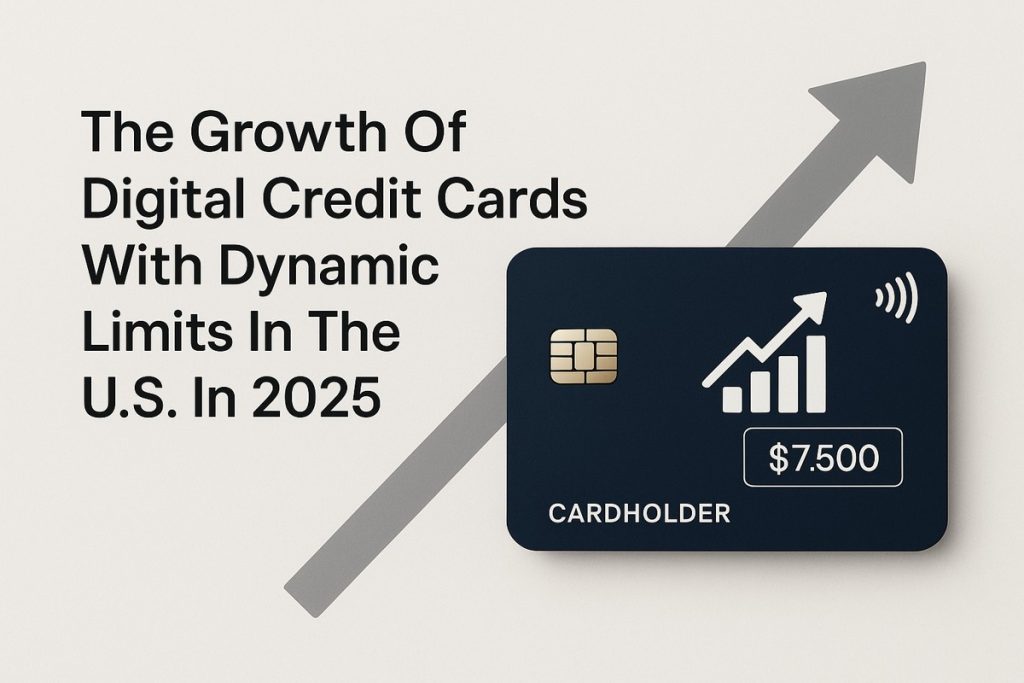
The proliferation of digital credit solutions marks a significant milestone in the evolution of consumer finance. With the advent of dynamic limit cards, users gain unprecedented control over their finances. Unlike conventional cards with fixed limits, these innovative options adjust limits in real-time based on a cardholder’s behavior, financial health, and preferences. This flexibility in credit usage is particularly appealing to tech-savvy consumers who desire more control and foresight in their spending habits.
Furthermore, the seamless integration of digital tools with personal finance management apps empowers individuals to monitor expenditures, optimize credit usage, and make informed decisions quickly. As consumer confidence grows alongside technological advancements, the adoption of these solutions is expected to rise sharply.
Benefits and challenges in the era of smart finance
The advantages of embracing these cutting-edge financial tools are manifold. Automated credit management reduces the risk of overspending, helps individuals improve their credit scores, and promotes healthier financial habits. Users can establish customized spending limits and receive real-time alerts, enhancing their ability to stay within budgetary constraints.
However, challenges persist in ensuring widespread adoption and security. As digital solutions become more sophisticated, safeguarding personal data against breaches is paramount. Financial institutions must balance innovation with rigorous security measures to maintain consumer trust and privacy protection.
The impact of technology on consumer behavior
Technological advancements in the credit sector significantly influence consumer behavior. The ease of access provided by digital financial tools encourages mindful spending and fosters responsible financial management. Consumers are more likely to choose providers offering advanced features that enhance convenience and personal control over finances.
The competitive nature of the market drives continuous improvement in user experience and technological capabilities. Financial institutions that innovate by offering personalized services are likely to attract and retain customers who value flexibility and modern financial solutions.
Empowering consumers with financial literacy tools
As digital financial products become prevalent, education on usage becomes essential. Empowering consumers with financial literacy tools and resources ensures they understand how to optimize their digital cards effectively. Educational initiatives and tutorials help users leverage technology to achieve financial goals, leading to more informed and financially healthy individuals.
Partnerships between educational organizations and financial institutions can promote greater awareness and understanding. By providing accessible information, consumers are better equipped to navigate the complexities of modern financial systems and maximize the benefits offered by their digital credit tools.
The future of personalized financial management
The potential of digital cards with dynamic limits is vast, and their impact will continue to grow. As these tools become more personalized and integrated into daily life, the focus on consumer education and protection will intensify, fostering a financial ecosystem where technology enhances personal money management with greater intelligence and adaptability.
As we look toward the future of credit cards and personal finance, collaboration between technology providers, financial institutions, and consumers will be crucial. By prioritizing innovation, security, and education, the digital credit landscape in the United States will continue to evolve, offering dynamic and tailored experiences for all users.
